Overcoming fear with an MVP
-
 Tom Parson
When building new ideas, it can be tempting to shoot for a perfect solution. Why settle for anything less? But setting the bar this high can paralyse us with the fear of getting it wrong, and this often means we never get started. How can we try out new ideas safely?
Let's say you are doing one of the following:
- Rethinking how you run regular team meetings
- Launching your company's first website
- Making new hires to introduce a new service line
With all of these things, it can be tempting to try to come up with the perfect version and then aim for that straight away.
But how do we really know that what we're building is the right thing? All of our thinking up to this point has been theoretical. And at the start of the build process, we know the least about how well our solution is going to work. How can we gain confidence in our idea before we invest a load of time, money and goodwill?
That's where an MVP comes in.
An MVP is a Minimum Viable Product. An MVP is the smallest possible version of a solution that we can make, that still adds enough value to be genuinely useful.
An MVP isn't a half-finished version of the final thing. It's a smaller whole thing that adds real value, fast.
"We need a digger!"
Let's say as part of my job I need to dig big holes, and I want to build something to help me. Ideally, I want a digger, like you'd find on a construction site. But I can't afford it right now, and I still have holes to dig. What do I do?
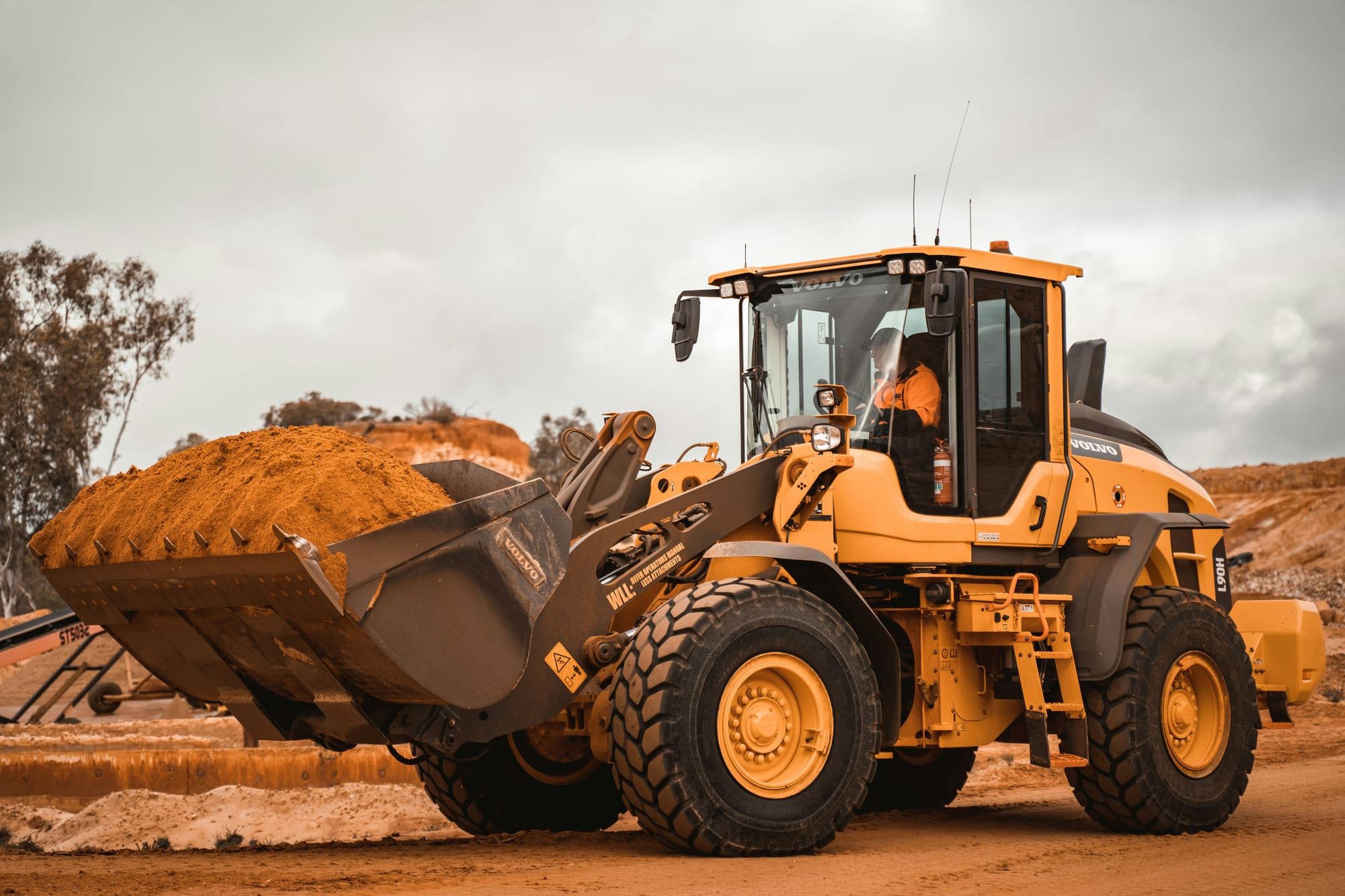
It would seem ridiculous to stick to my vision of a digger, and gradually build up to it. Order one wheel at a time, then the chassis, then the rear-view mirrors, then the scooper (I'm sure that's what it's called), and so on. It would take an age to get a complete digger, and all the while I'm stuck not able to dig any holes.
And yet, this is how so many people approach implementing new ideas. They align on the problem, consult with stakeholders, come up with ideas, and feel like they have a solid picture of what's required. They've done their research, they've scoped everything out, now they just need to knuckle down for a while and build. Even though they're not able to solve the problem until right at the end of the build process when everything is ready!
They jump in with a solution. "We need AI!" or "We need an app!" or "We need this new software!"
Sound familiar?
Forget the digger (for now)
The alternative is to forget the digger for now, and invest in a simple spade. It's nowhere near as powerful as a digger, but it means I can actually start digging holes from Day 1!
I can start learning. Is this ground even stable enough to dig? Do I definitely want the hole here? How will having the hole here affect its surroundings? Plus, I get to actually dig the holes I need to dig, immediately.
Once I gain confidence that I'm on the right track, maybe I shell out for a wheelbarrow to speed up the process. Then I might hire a couple of workers to dig for me, at double the speed. Finally, once I've learned what is working and what isn't, and I've proven it's a good idea to dig these holes, I might finally invest in a digger. When the decision feels less scary, because it's backed up by data.
Learning from the humble spade
The key thing with an MVP is that it teaches you something - which parts of the idea work, and which don't.
- A restaurant testing a new dish as a weekly special before it goes on the menu. Do people order it? Do they come back for it again?
- A trader running a market stall or pop-up before signing a lease for a shop unit. Is there footfall here? Is there interest?
- A business outsourcing to a freelancer before hiring. Is there enough work for a permanent hire here?
In all of these examples, the initial version adds real value and is a complete offering in its own right, it's not just a "less good version" of the finished product.
This really happens in practice. Take Airbnb for example. This is what their first website looked like:
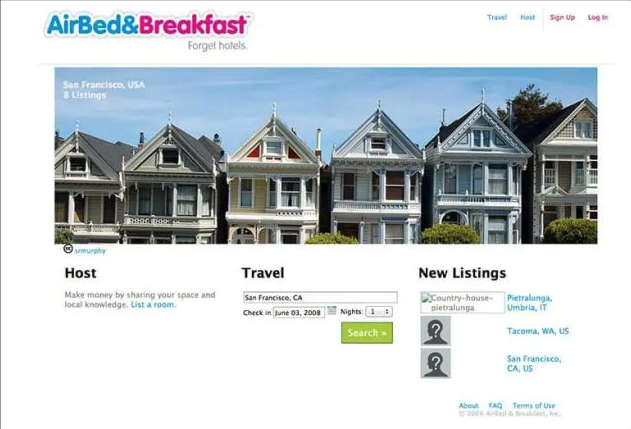
Can you believe! No map view, no ability to process payments, even broken images. But it did a very specific job - it taught Airbnb what to do next. This screenshot is from 2008. It took them years of learning and course-correcting to get to the polished experience we now expect today.
Take an idea you have that you've been procrastinating - why have you been putting it off? Are there still unknowns you need answering? How could you make an MVP to teach you what you need to know?
It can feel like you owe it to your idea to come up with the perfect implementation. But really, you owe it to your idea to get started, and the easiest, least risky way to do that, is with an MVP.
I help scrappy micro businesses build MVPs to validate their ideas. Let's chat!