Ikig-AI
-
 Tom Parson

Aligning your work with your motivations and strengths can unlock a new sense of fulfilment and purpose within you and your team.
This play works when:
- Your work isn't aligned to your personal motivations or strengths
- You're not even sure what these are
- There's no time for the bigger picture
How to Play
This play takes inspiration from the Japanese concept Ikigai, which translates as 'a reason for being.' We'll be using an adapted version with AI, designed specifically for use at work.
Step 1
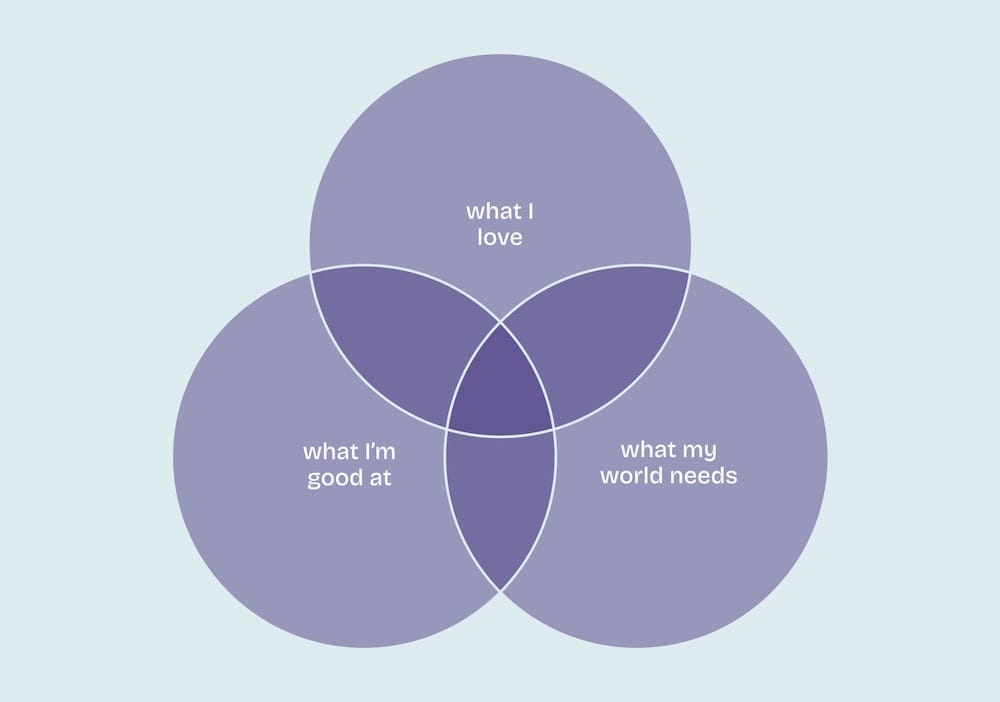
We're going to think about these three areas:
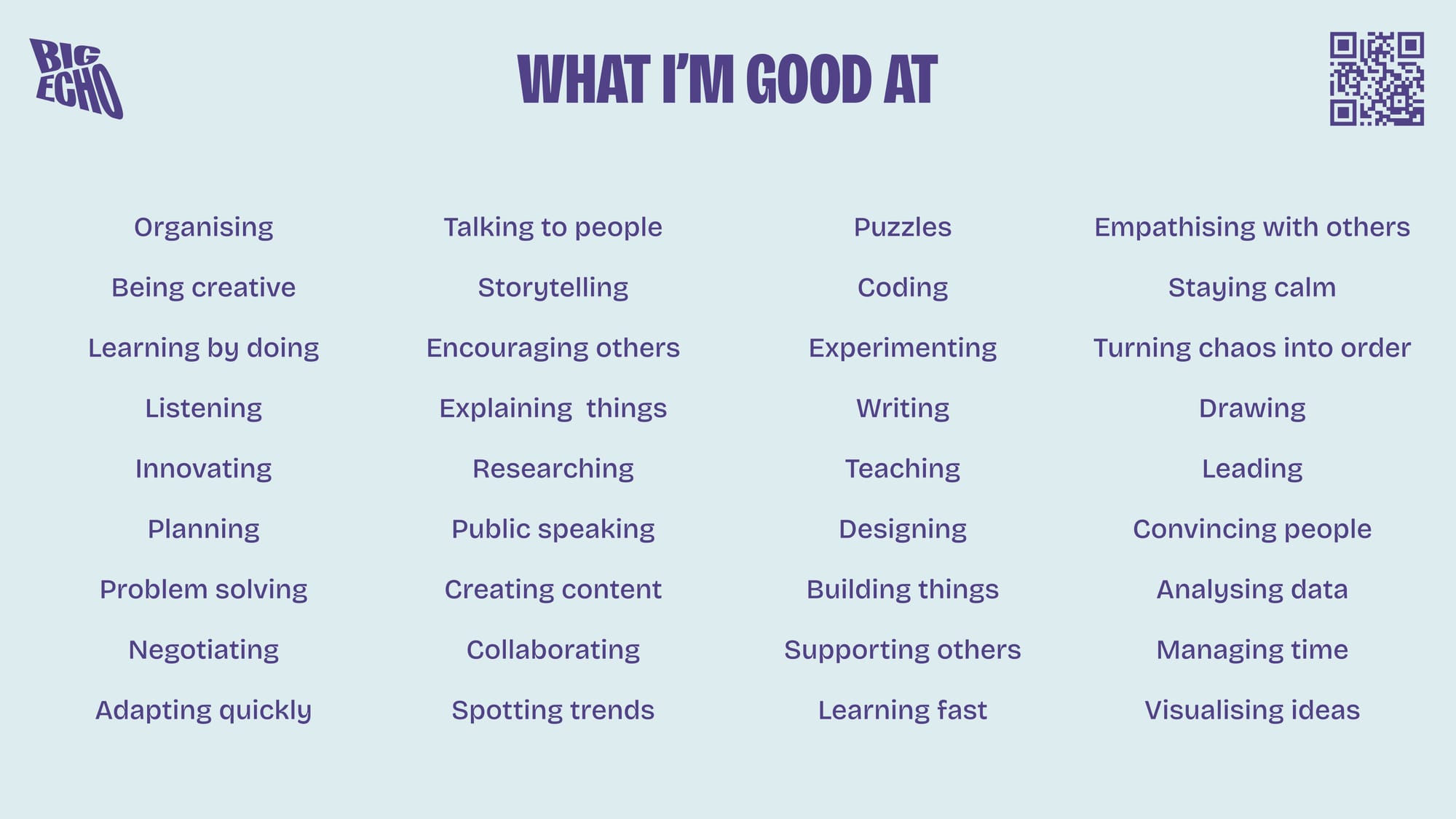
- Things you're good at
- Things you love
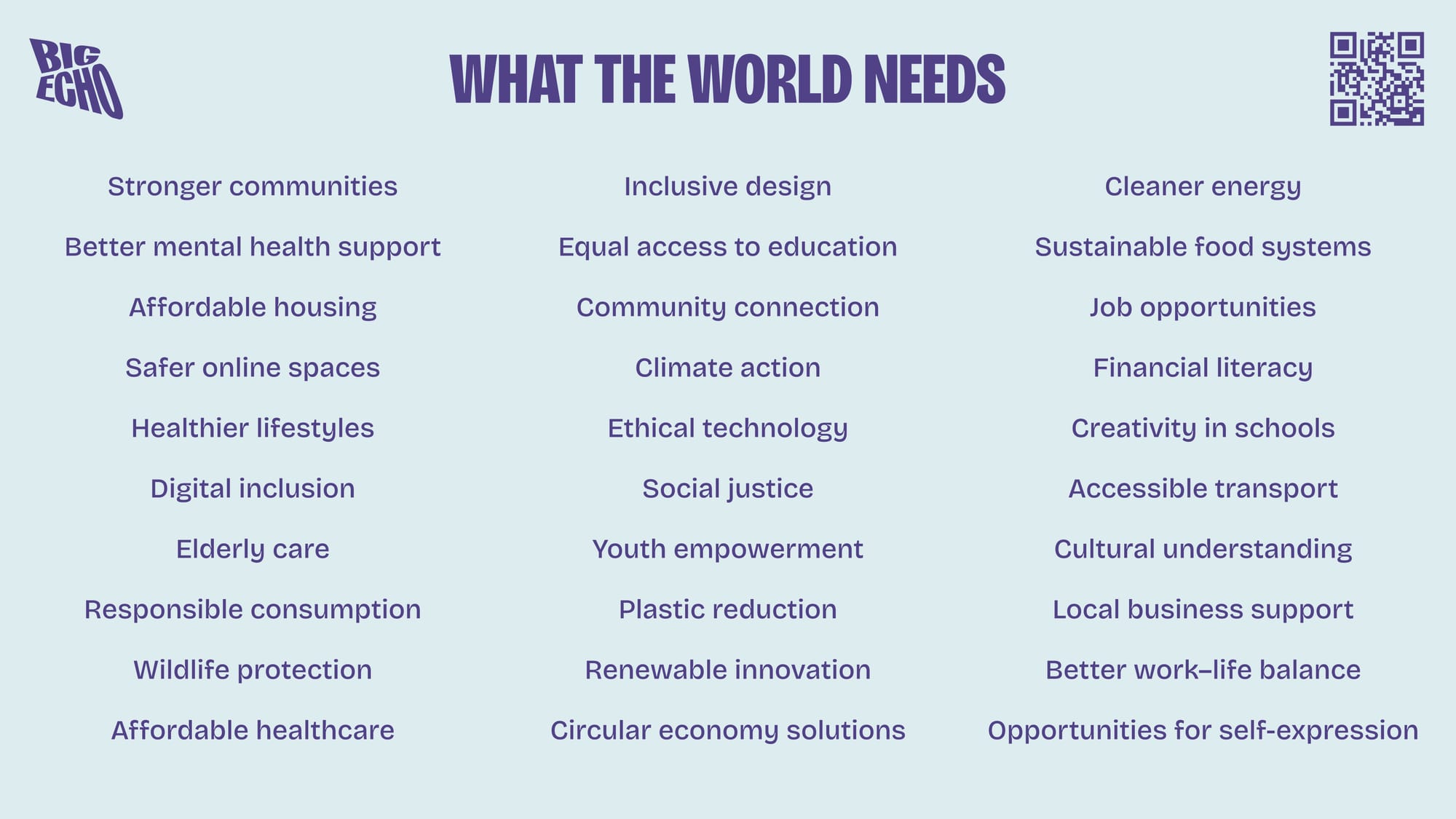
- Things your world needs. The "world" here can indeed be the global population, but it could also be smaller - your colleagues, friends, family or community.
For each, you'll spend 90 seconds writing down as many things as you can think of. For this exercise, this works best on a screen (as you'll be copying and pasting it later).
The things you write down don't have to be related to you work. You should cast the net wide, and write down everything you can think of.
Whether as a team or individual, set a timer and spend 90 seconds on each. This should last around 5 minutes. Try to write down at least 5 things for each.
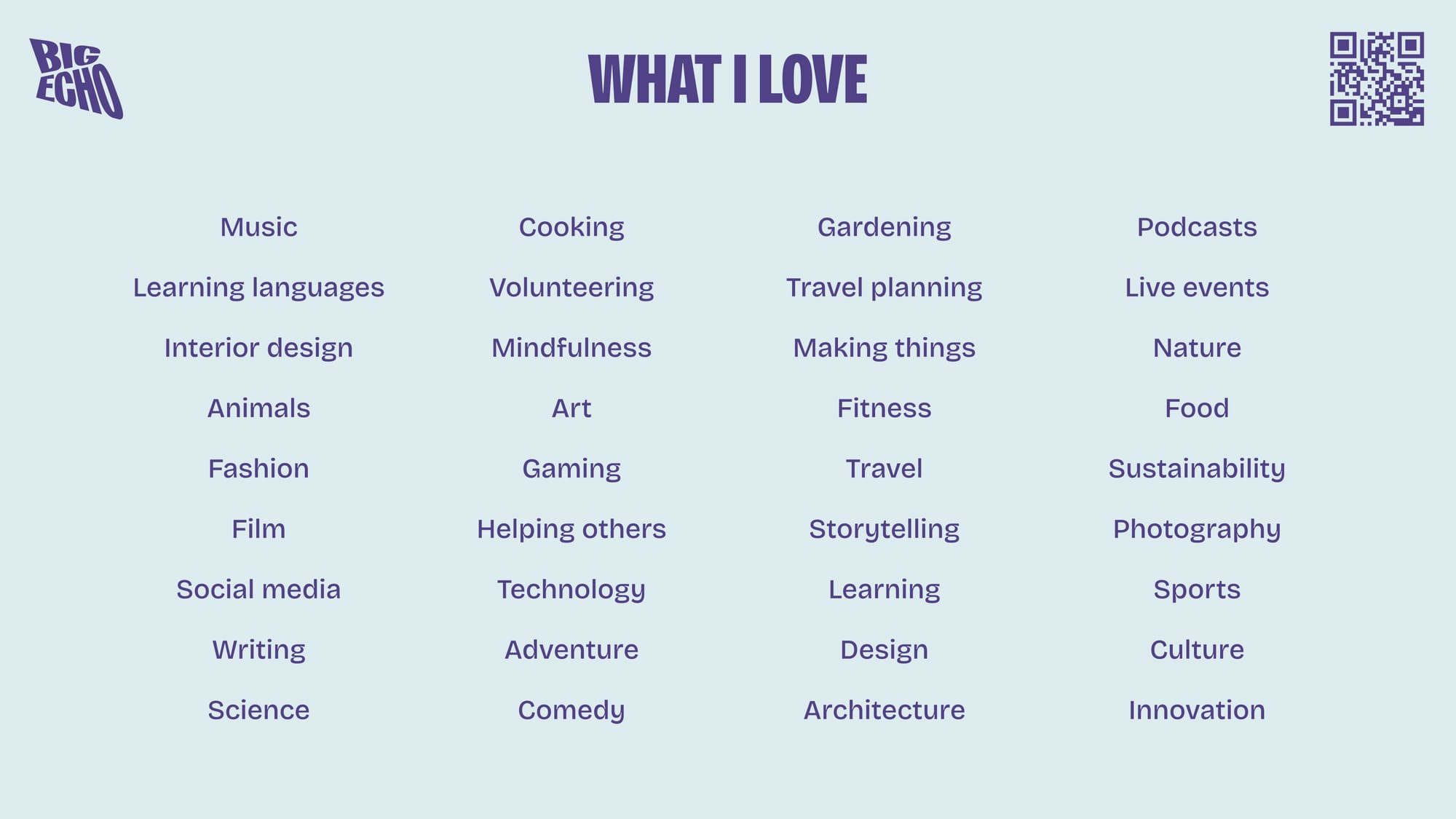
For inspiration, see some examples for each below.
Step 2
How did you find that? Many people find it difficult! It's not often that we stop and reflect in this way.
Next, we need to write a short brief for our AI on what we do. This could be any or all of:
- Our specific role within a team
- Our team's role within a wider organisation
- The company's purpose, audience, products or services
The more information we provide, the more useful our end result is going to be.
You should focus on things that you have the influence to change.
- So if you're part of a team within a wider company, you could describe your role and your team's purpose in detail, with some extra info about the company as a whole.
- But if you're a business owner or senior leader, you could focus more on the business purpose and goals, and less on your individual role.
Step 3
Now, we're going to use AI to marry up our Ikigai with what we do.
Use the following prompt with your AI (e.g. ChatGPT, Gemini, Copilot or Claude):
Below I have included what I'm good at, what I enjoy, and what the world needs. I have also included information about what I do. Give me new ideas in the overlaps of my Ikigai that relate specifically to what I do, to help my work incorporate more of my strengths, more of what I enjoy, and solve a problem I care about.
[Paste the things you're good at]
[Paste the things you love]
[Paste the things the world needs]
[Paste what you, your team, or your company does]
Why it Works
Many people feel as though they are one person at work, and another at home. They need to adopt a certain persona and set of values while at work, which may not mirror how they feel in their personal life.
This leads to people seeking "work-life balance" - a phrase which only reinforces this idea of work and life being separate things.
But, it's all life! The time you spend at work is your life. Accepting that you have to be someone else while at work means writing off a huge chunk of the time you have available to you.
This isn't the same as having no boundaries - balance is critical to avoid burnout and live a fulfilling life.
But that balance becomes much more manageable when you're showing up at work doing what you enjoy, what you're good at, and working towards solving a problem you care about.
Use it to
- Bond as a team and discover shared strengths and passions
- Drive new motivation with work
- Align your day-to-day with long term goals
This play was adapted from a workshop I delivered at the Masood Entrepreneurship Centre in October 2025, part of the University of Manchester.
How did it go?
If you try this play I'd love to know how it went for you.
I want Big Echo's plays to be the go-to source for sparking new thinking in teams. If you think this play can be improved, let me know!