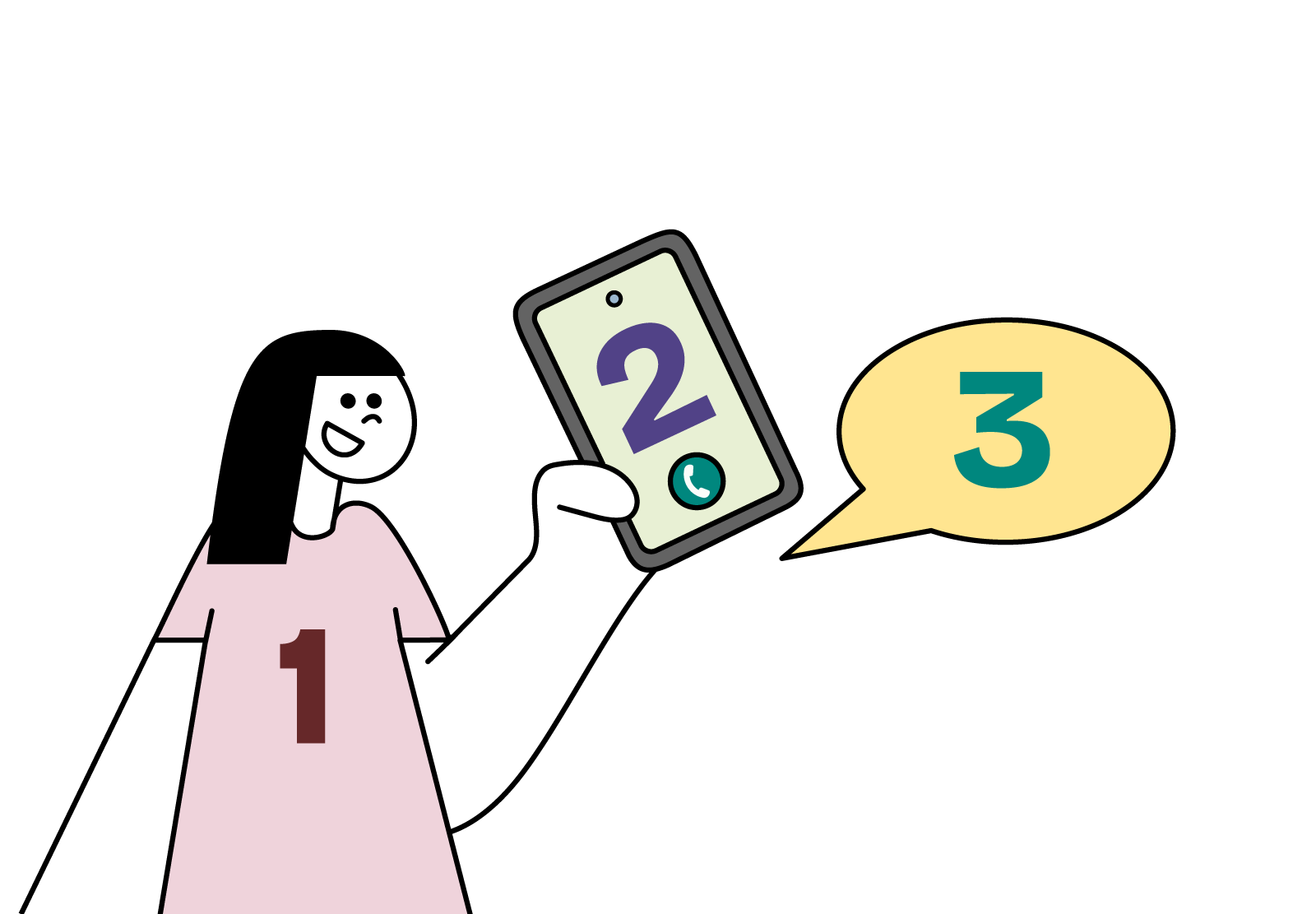
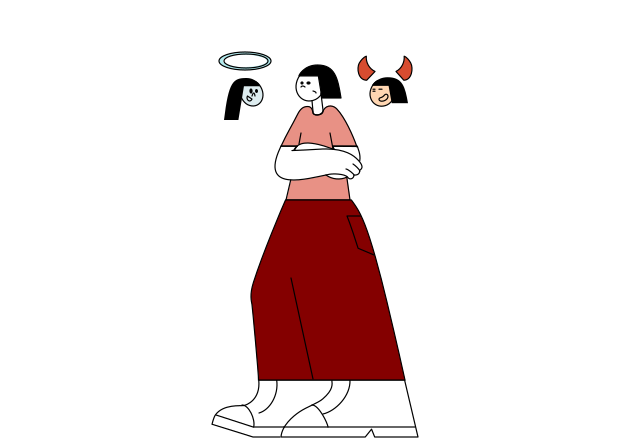
After your next strategy meeting, drop your meeting notes into an AI model and ask: “What might we be missing?”
This play works when:
- You're facing an important decision
- You're approaching a "there's no going back" zone
- You have limited research resource
How to Play
Step 1
First, you'll need to summarise the decision you're facing, the factors you've considered, and how you're planning to proceed. Follow this template:
The decision I'm facing is ___
I've looked into ___
I've researched ___
I've considered ___
I've decided to ___
The more detailed you can make this summary, the more useful this play will be for you.
Step 2
Paste the summary into an AI model such as ChatGPT, Gemini, Copilot or Claude.
Add onto the end:
"Point out what is wrong with my line of reasoning. Be very critical. Approach the same decision from a different perspective and show me another, equally valid solution."
Submit the prompt.
Step 3
Review the AI's response. What do you think?
No, what do you really think? Are there parts you agree with? Does it make you consider anything new? Is it all just nonsense?
This play usually goes one of two ways:
- The AI has a couple of small points or ideas that we hadn't considered, and enables us to incorporate these into our decision.
- The AI tells us nothing new, and we feel validated in our decision.
Occasionally, the AI completely misunderstands the problem or our solution. In these situations, you can simply respond to the AI - tell it that it's misunderstood, and explain further.
You should then get one of the above two outcomes, instead.
Why it Works
Every team - even the most self-aware - has blind spots.
And more often than not, there are multiple 'right decisions' we can make. This means any decision we come to is likely to be flawed in some way or, at the very least, can be missing something good from an alternative right decision.
AI models are known to tell you what you want to hear. But this is just a default behaviour, and if you explicitly ask models to be critical, they will oblige.
You can think of AI as a "law of averages" - it has been trained on masses of information and its responses give you a generalised, broad view of that information.
In this play, AI compares your input with its understanding of common assumptions and approaches, surfacing connections that may have been overlooked.
Use it to
- Stress-test your thinking
- Spot weak links before they become risks
- Broaden your idea of what a 'right decision' means
How did it go?
If you try this play I'd love to know how it went for you.
I want Big Echo's plays to be the go-to source for sparking new thinking in teams. If you think this play can be improved, let me know!
Read next
News · 1 min
I won GM Networker of the Year!
What would my awkward and insecure 16 year-old self think of me winning GM Networker of the Year 20 years later?

Quick Reads · 2 mins
Avoiding like-minded people
Seeking out people similar to us can help us feel validated, safe and empowered. But if we want to break out of old routines and have new ideas, we need the opposite: people unlike us.

Big Ideas · 5 mins
3 steps to meaningful change
Three key phases can describe all of the meaningful changes in my life - including weight loss, learning to code, releasing my first album, and running a business.