Seeking out people similar to us can help us feel validated, safe and empowered. But if we want to break out of old routines and have new ideas, we need the opposite: people unlike us.
I have to admit, every time I hear the word "like-minded people" I get squeamish.
We use this term "like-minded people" to describe people who think like us - who see the world in the same way.
Those with whom we have easily identifiable common ground, and who make us feel validated, safe, and comfortable. People who don't challenge us much.
This shows up everywhere:
- When choosing where to live, we look for places with "like-minded people" e.g. similar political stance or lifestyle.
- Event organisers promise that we'll meet "like-minded people" by attending their meet-up or conference.
- Teams look for "like-minded people" so they can work together easily and get lots done.
But if we only seek out like-minded people, who don't cause us any friction, gradually our experience of the world gets narrower and narrower. We create an echo chamber for ourselves.
When we think about meeting new people, it can be uncomfortable to think of being in situations with people who have different opinions, different views, and different experiences. People who think, look and act differently to us.
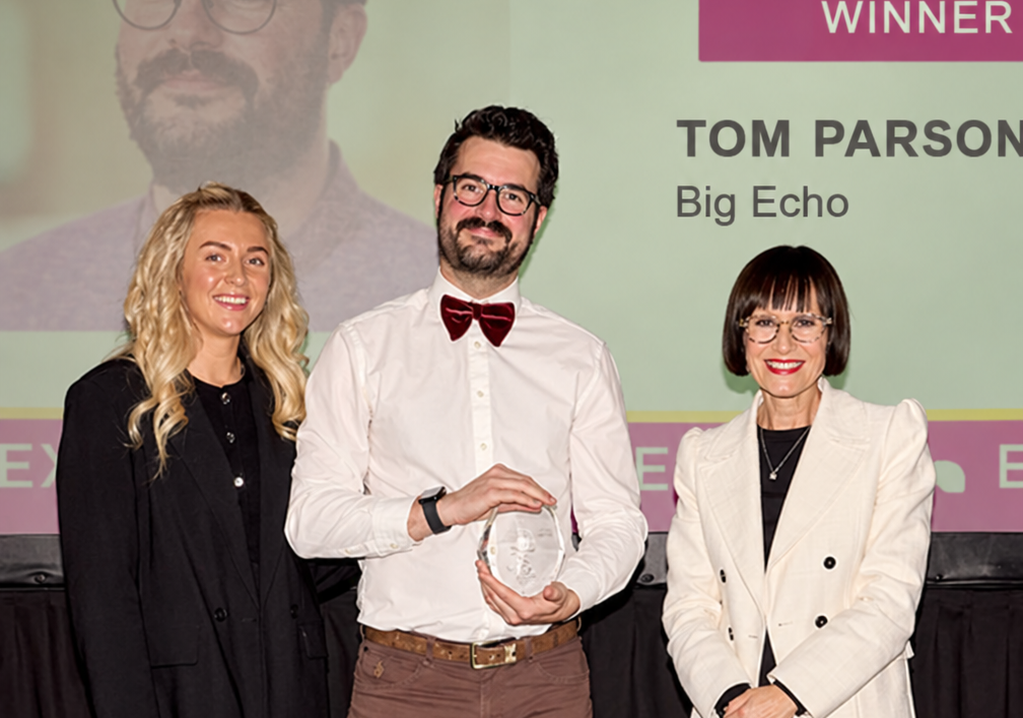
I recently won GM Networker of the Year, so I meet a lot of people. And even I find this uncomfortable! It's not supposed to feel comfortable. The point of meeting new people isn't to feel comfortable.
Especially when we think about innovation, new ideas and fresh thinking.
Instead, we need diversity of thought.
Which is, essentially, the opposite of like-minded people.
Diversity of thought is beneficial at every stage of the innovation process.
When looking for opportunities, it means you can observe more broadly and identify more potential issues or opportunities to dive into.
When coming up with ideas, it means the results will be more varied, imaginative and eclectic. Your divergent stage can be even more divergent.
When developing ideas, it means you have multiple different perspectives for tackling those ideas, stress testing them, and making them better. To identify your blind spots and unknown unknowns.
And when sharing ideas with the world, you can consider more accurately how that idea is going to land and how it's going to be received by people.
So if you're looking to do the same thing over and over again, then you're best off seeking out like-minded people.
But if you want to get out of old routines, try new ways of doing things, and explore fresh ideas, seek out people who are different to you.
Read next
News · 1 min
I won GM Networker of the Year!
What would my awkward and insecure 16 year-old self think of me winning GM Networker of the Year 20 years later?
Quick Reads · 2 mins
Avoiding like-minded people
Seeking out people similar to us can help us feel validated, safe and empowered. But if we want to break out of old routines and have new ideas, we need the opposite: people unlike us.
Big Ideas · 5 mins
3 steps to meaningful change
Three key phases can describe all of the meaningful changes in my life - including weight loss, learning to code, releasing my first album, and running a business.